Lab Driven Nutrition Plans
Practitioners use this scientific evidence of cellular depletion to develop effective lab driven nutrition plans after they analyze the biomarker data. These protocols match specific foods and targeted nutrients to the patient's exact metabolic needs. A patient with poor cortisol clearance requires different dietary interventions than someone with suppressed hormone production. Nutritional interventions fail when they ignore biological markers. For instance, intermittent fasting stresses an already depleted nervous system and spikes cortisol. However, frequent protein-rich meals stabilize blood sugar and support a damaged HPA axis. Custom lab driven nutrition plans give patients confidence in their daily food choices.
Patients stop following random internet advice and start eating in a way that actively rebuilds their cellular energy. When patients align meals with the body's natural circadian rhythm, the digestive system processes nutrients more efficiently. This targeted approach repairs complex hormone networks and builds a strong foundation for long-term recovery.
Evidence-Backed Approaches for Cellular Energy
Functional medicine practitioners support this long-term recovery and use specific botanical interventions to repair cellular communication pathways. These professionals recommend targeted compounds that alter how cells respond to physical stress. Peer-reviewed studies on HPA axis dysregulation indicate that specific adaptogens modulate cortisol production at the cellular level. Patients provide their bodies with the building blocks to repair cells when they use these targeted supplements.
Plant extracts like Ashwagandha increase physical resilience to chemical and environmental stressors, and this biological process prevents the nervous system from panicking constantly. Patients regain their physical strength when their endocrine system stops overproducing stress hormones.
How Targeted Nutrients Restore Energy, Sleep, and Hormone Balance
Effective lab driven nutrition plans incorporate targeted micronutrients to rebuild mitochondrial energy reserves.
Practitioners prescribe distinct compounds to fix specific physiological breakdowns:
-
Ashwagandha reduces elevated morning cortisol to stabilize daily energy patterns.
-
Magnesium clears accumulated stress hormones from congested liver tissues.
-
L-Theanine calms overactive brain waves to promote restorative night sleep.
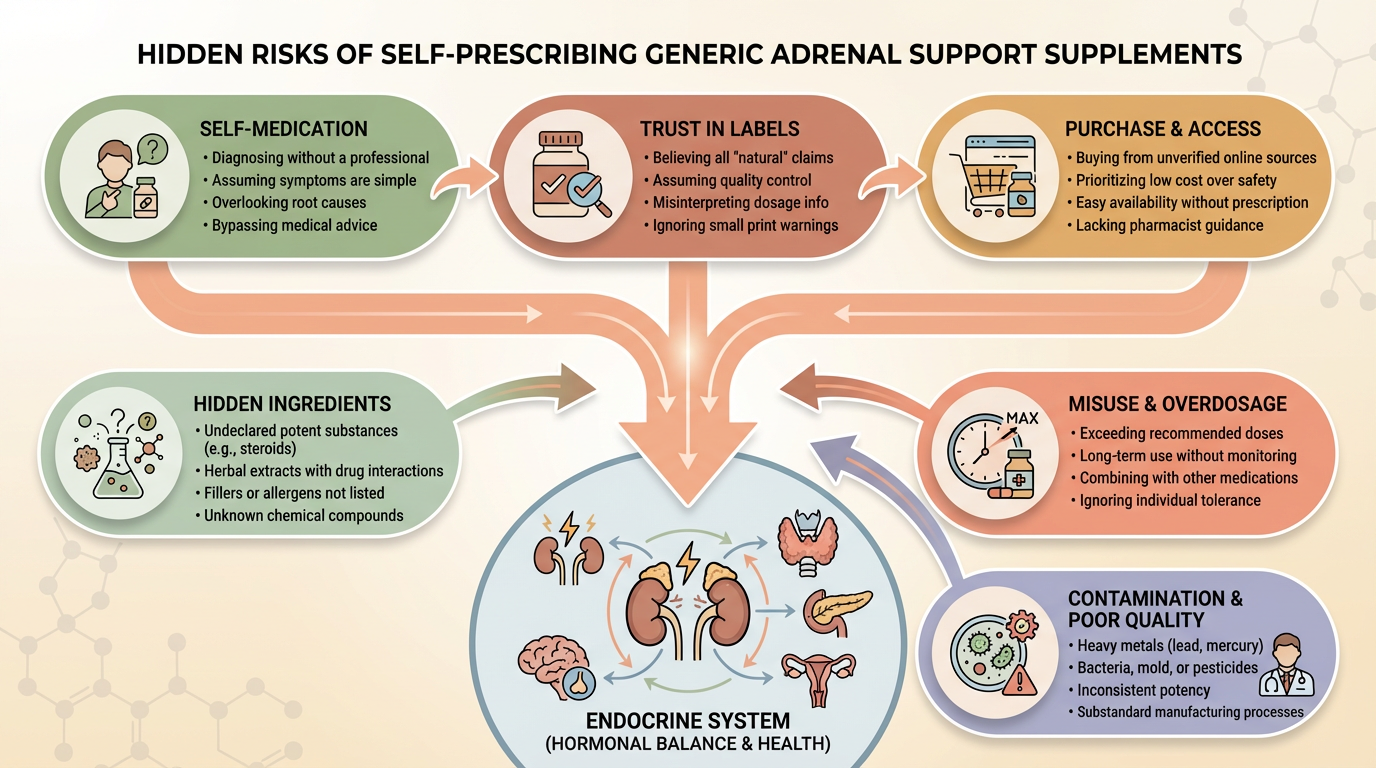
These targeted nutrients succeed because they clear specific metabolic failures. Exhausted individuals often purchase random supplements for adrenal support and feel worse because they take the wrong nutrient at the wrong time. Functional medicine practitioners understand how cortisol operates systemically and time these interventions to match the natural daily rhythm. This proper timing ensures the nervous system receives necessary biological support. The patient's cells absorb these targeted compounds and gradually restore how the brain and the endocrine glands communicate.
Lifestyle Habits for Systemic Recovery
Patients maintain this restored communication and recover systemically when they combine botanical interventions with foundational lifestyle habits. If patients take pills without changing daily routines, they force their bodies to continue fighting the same environmental stressors. For example, a patient named David worked long hours and suffered from debilitating brain fog. David purchased random supplements for adrenal support but ignored his erratic sleep schedule. These supplements disappointed him. His fatigue persisted because late-night computer work disrupted his natural circadian rhythm, and the screen's blue light stopped his brain from producing melatonin.
David's doctor helped him establish a consistent sleep routine to support his botanical protocol. The doctor instructed David to block blue light in the evening and expose his eyes to natural sunlight immediately after waking up. Morning light signals the brain to halt melatonin and start the natural daily cortisol curve. These intentional circadian shifts aligned his biological clock with natural daylight patterns. The botanicals finally began to work because his body stopped fighting against his environment.
Patients recover systemically when they maintain consistency in both nutritional support and daily behavioral choices. Patients build certainty in their healing process when they see how their daily habits influence their biology. The nervous system heals when patients synchronize botanical extracts with emotional intelligence practices. Individuals develop trust in their bodies again after they experience sustained energy throughout the day. Clinical data and committed lifestyle changes provide the foundation for long-term hormonal balance.
Conclusion
To summarize, patients overcome severe chronic exhaustion when they systematically restore cellular energy and achieve this long-term hormonal balance. These patients use biomarker testing to identify specific Hypothalamic-Pituitary-Adrenal (HPA) axis dysfunctions, and this approach targets the exact root causes of fatigue instead of masking symptoms. Patients often delay true healing when they rely on generic supplements for adrenal support.
As advanced diagnostic tools become more accessible, functional medicine will continue to offer precise methods that change how doctors treat chronic conditions. Understanding hormone health provides clarity for this recovery journey. For the next step, patients establish a personalized healing protocol by partnering with a qualified functional medicine practitioner to run thorough biomarker tests.