Importance of Sex Hormone-Binding Globulin
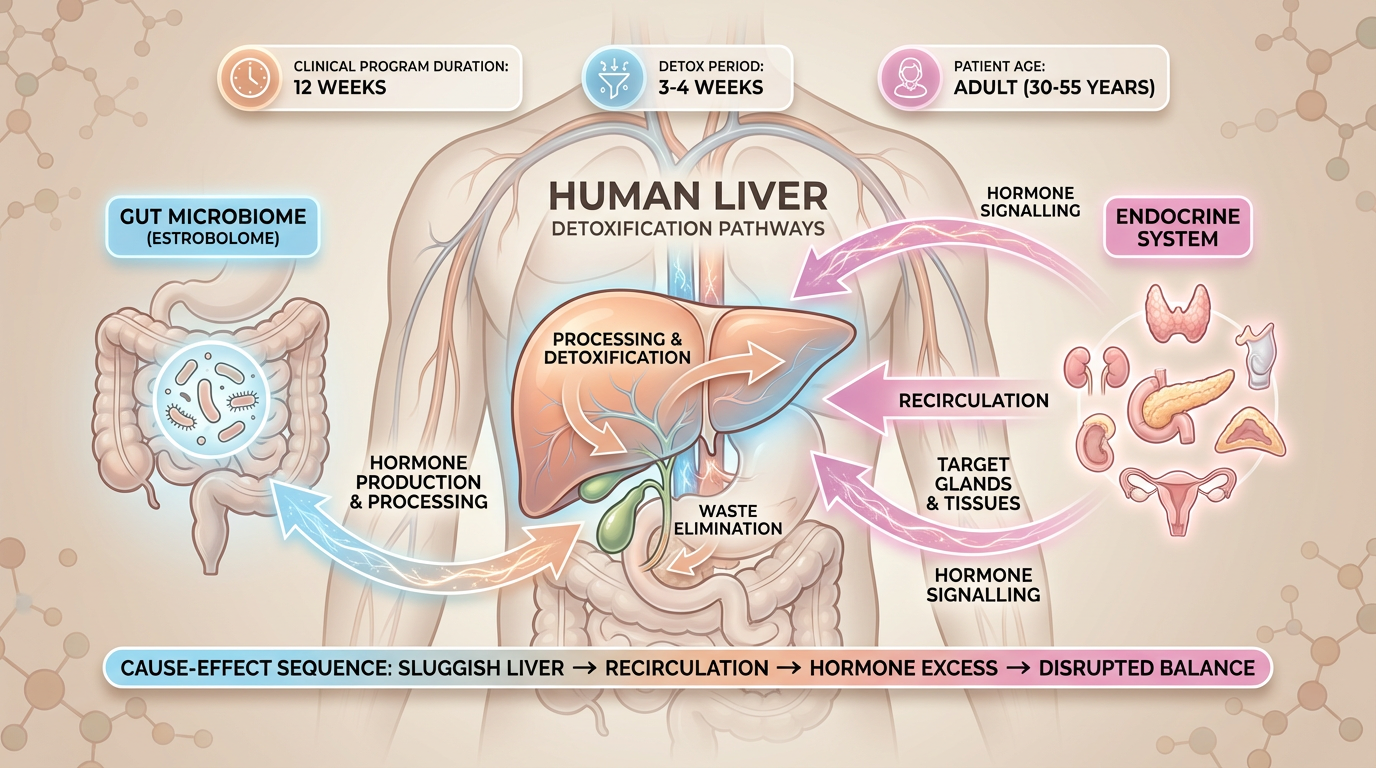
Sex Hormone-Binding Globulin (SHBG) operates as a protein that controls the amount of active hormones that circulate through the bloodstream. The liver produces SHBG to bind with sex hormones, such as testosterone and estrogen. This binding ensures that only the necessary amount of free hormones enters the tissues. When the liver functions correctly, it maintains the precise level of SHBG. A balanced SHBG level allows individuals to maintain a healthy physical state.
Poor liver health directly disrupts this protein production. Clinical studies demonstrate that mean SHBG concentrations dropped in participants with fatty liver compared to healthy individuals, and showed a mean difference of −22.75 nmol/L. Metabolic conditions also influence this biological process. Because high insulin levels suppress protein synthesis in the liver, insulin resistance causes SHBG levels to drop.
Excess free hormones flood the tissues and trigger metabolic changes when SHBG drops too low. One software developer experienced profound energy crashes and muscle loss even though he maintained his regular exercise routine. His functional lab results revealed severe insulin resistance that had suppressed his SHBG production. His improved glucose tolerance helped revive his normal protein synthesis. Patients who want to regulate their free hormones must first address their liver health and glucose tolerance. Improved insulin sensitivity signals the liver to produce adequate SHBG. Consequently, the body successfully manages hormone distribution and prevents hormonal dominance issues. Doctors use specialized medical evaluations to find hidden problems within this complex distribution system.
Functional Lab Tests Beyond Standard Blood Work
Standard blood work often fails to identify the causes of chronic fatigue and mood fluctuations. One nurse struggled with debilitating afternoon fatigue, yet her standard serum blood tests consistently returned normal results. Serum blood tests provide a snapshot of hormone levels at one moment. This limited view misses the complex daily rhythms and metabolic pathways that dictate physical wellness. Advanced functional assessments include the Dried Urine Test for Comprehensive Hormones (DUTCH), and they capture a broader picture of the endocrine system.
Healthcare providers use functional lab tests to map the core biological patterns of their patients over a 24-hour period. Research validates this approach. Laboratory investigations show that dried urine samples agree with liquid urine samples when researchers evaluate reproductive hormone results, and they achieve intraclass correlation coefficients greater than 0.90. This precise data allows practitioners to evaluate how the body breaks down and clears hormones.
The standard protocol involves the following steps:
-
Patients collect dried urine samples on filter paper at four specific times throughout the day.
-
They mail the completed collection kit directly to the laboratory for biochemical analysis.
-
The individuals review the detailed metabolite pathways and circadian cortisol patterns with a qualified practitioner.
-
They follow a personalized lifestyle protocol to restore endocrine function.
When patients understand these hidden metabolite pathways, they rejuvenate their cellular energy. Individuals who focus on feeding the endocrine system properly rely on accurate lab data to guide their nutritional choices. Functional tests identify exactly where the hormonal pathways break down. Doctors can then target liver enzymes or adrenal functions that need support. Patients address these specific functional weaknesses through daily habits.
Lifestyle Priorities Over Quick Fixes: How can I naturally balance my hormones and improve energy, mood, and overall wellness?
Lasting wellness requires patients to build a sustainable, personalized lifestyle protocol. Many people chase the latest supplement trends and seek quick fixes for their chronic fatigue. However, health stems from improved biological foundations of nutrition, sleep hygiene, and stress management. Isolated supplements cannot override the damage that a misaligned circadian rhythm or a sluggish liver causes.
Targeted nutrition provides the necessary building blocks to synthesize hormones. Patients invigorate their metabolism when they consume nutrient-dense whole foods that support liver detoxification. Simultaneously, strict sleep hygiene ensures that the brain and adrenal glands have time to recover. A consistent bedtime stabilizes the morning cortisol spike.
How to Naturally Balance Hormones, Reduce Stress, and Boost Energy
Psychological stress management plays an important role in this recovery process. Chronic anxiety forces the HPA axis to produce cortisol continuously, and this suppresses other vital chemical messengers. One business owner resolved his erratic mood swings when he added a twenty-minute meditation session to his morning routine. Behavioral science demonstrates the effectiveness of deliberate relaxation techniques. Clinical researchers found that stress management interventions outperformed pooled control conditions with a medium positive effect size when they treated psychological and physical symptoms.
If patients commit to these foundational lifestyle habits, they can successfully recharge their cellular energy levels. Daily choices dictate how the endocrine system functions. People often ask, "How can I naturally balance my hormones and improve energy, mood, and overall wellness?" and they find the answer when they align their actions with their biological clocks. A methodical approach to daily living produces metabolic improvements that temporary supplements never achieve. This lifestyle-focused philosophy guides patients toward lasting wellness.
Conclusion
The preceding sections answered the question of how can I naturally balance my hormones and improve energy, mood, and overall wellness. People overcome hormonal decline with a systemic and personalized lifestyle approach rather than a collection of generic supplements and quick fixes. They target the actual underlying causes of hormonal imbalances when they recognize the interplay between stress responses, liver detoxification, and circadian rhythms. In the future, people achieve lasting wellness when they align their daily habits with their innate biological rhythms. These people develop a specific strategy for restoring vitality when they complete thorough functional lab testing.