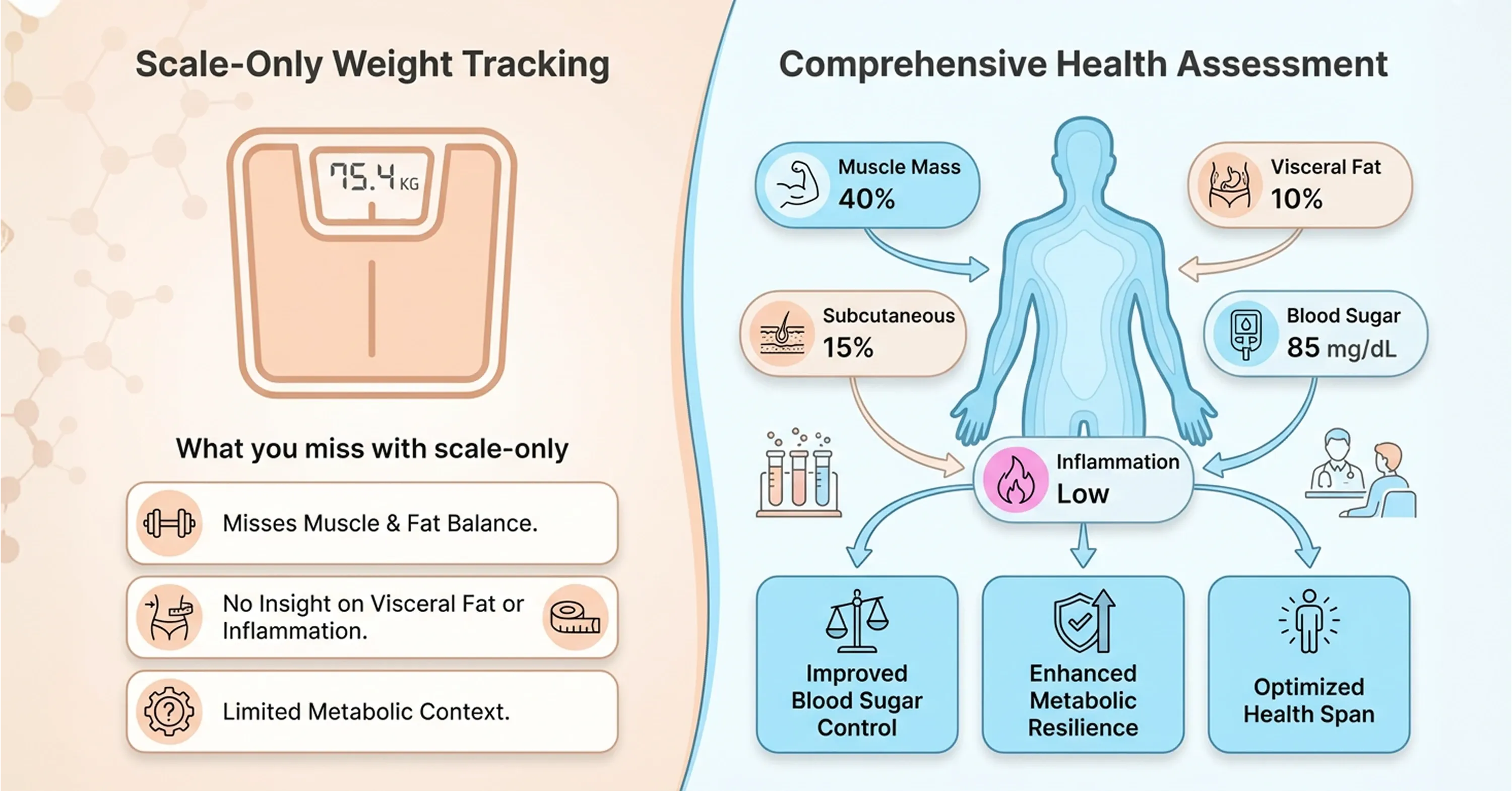
Why Hormone Therapy Outperforms Calorie Restriction for Metabolic Health
Proactive hormone management works better than severe calorie restriction because it addresses the physiological cause of fat accumulation. Starvation diets fail when the endocrine system needs support. Properly timed hormone therapy acts like a metabolic thermostat. It resets how cells process glucose and changes how the body stores fat. This medical intervention preserves the metabolic rate and restores insulin sensitivity simultaneously.
Women with declining hormones often experience a frustrating increase in visceral fat. Their bodies lose the ability to metabolize food correctly. Replacing these hormones gives the metabolic system the specific chemical signals it requires to function properly. The treatment shifts the body out of a fat-storage mode and back into a fat-burning mode. This physiological shift creates a sustainable path to long-term health.
Personalized Medical Nutrition Therapy for Metabolic Health
This physiological shift requires proper dietary habits, and functional medicine weight loss protocols combine targeted nutrition with hormonal support to build metabolic resilience. Patients benefit from personalized dietary frameworks instead of standard restrictive diets. Standard diets fail because they do not account for how specific foods influence cellular health and hormonal balance. Structured nutritional interventions correct the root causes of metabolic decline. Medical Nutrition Therapy provides a customized framework that specifically targets metabolic dysfunction.
Researchers found that medical nutrition therapy ranked highest because it lowered fasting plasma glucose more effectively than other dietary approaches. This clinical approach stabilizes blood sugar and complements hormone therapy for weight gain. Personalized nutrition protocols include specific elements to restore proper metabolism.
Key Components
A structured nutrition plan translates clinical insights into daily habits that patients can follow consistently. Medical professionals design these frameworks to align food intake with hormonal rhythms and metabolic needs, ensuring that each dietary choice supports long-term recovery rather than short-term restriction. This approach creates stability in blood sugar levels and reinforces the effectiveness of accompanying hormone therapies.
Patients achieve these results when they follow a specific nutritional framework:
-
Structured meal timing
-
Targeted macronutrient distribution
-
Specific functional foods
-
Customized fiber protocols
These elements work together to lower blood sugar and support endocrine function. When individuals consume the right balance of nutrients, their cells respond to insulin effectively. This therapeutic approach repairs damaged metabolic pathways and prevents visceral fat accumulation. Patients achieve better health without starving themselves. They eat foods that align with their biological needs.
Targeted Functional Interventions to Stabilize Blood Sugar
Foods that align with biological needs create stable blood sugar levels, and these stable levels restore physical vitality and keep the body from storing excess energy as visceral fat. High-carbohydrate meals cause sharp insulin spikes, and these spikes signal the body to lock fat away in the abdomen. Patients prevent these hormonal surges when they balance protein, healthy fats, and dietary fiber at every meal. Clinical studies confirm that low-glycemic-index diets reduce postprandial glucose and improve insulin resistance better than conventional diets.
These structured dietary patterns keep glucose levels steady throughout the day. The low-glycemic approach serves as an excellent companion to hormone therapy for stubborn belly fat. While hormone therapy for weight gain addresses the endocrine deficit, proper nutrition manages the daily energy load. Patients achieve the best results when they implement practical nutritional interventions.
Practical Meal Structuring Strategies for Blood Sugar Control
A consistent meal structure helps translate nutritional theory into daily practice. By following a clear sequence, patients can control how their bodies respond to food and reduce unnecessary glucose spikes. This approach simplifies decision-making and reinforces metabolic stability throughout the day.
They structure their meals in a specific sequence:
-
They select a high-quality protein source for the plate.
-
They add non-starchy vegetables to provide necessary fiber.
-
They include healthy fats to slow down glucose absorption.
-
They consume the protein and vegetables before they eat complex carbohydrates.
These sequential steps help patients maintain steady glucose levels after they eat. This strategy minimizes the insulin demands on the pancreas. As a result, the body maintains a fat-burning state and avoids the severe energy crashes that typically follow high-sugar meals.
Sustainable Root-Cause Protocol
The body requires a thorough approach to maintain this fat-burning state permanently, and patients thrive when doctors integrate hormone therapies, microbiome support, and personalized nutrition into one cohesive protocol. Isolated treatments rarely resolve complex metabolic issues. If a doctor prescribes medication and ignores gut health, the underlying dysbiosis continues to disrupt estrogen metabolism. However, combined treatments yield superior clinical outcomes. Medical data shows that postmenopausal women lost 35% more weight when they combined hormone therapy with tirzepatide treatment.
Building a Sustainable Root-Cause Protocol for Long-Term Health
This data highlights the power of a complete medical strategy. Hormone therapy for stubborn belly fat fixes the endocrine foundation, while specialized medications and targeted nutrition improve cellular function. This combined approach builds a lasting metabolic foundation. Patients stop fighting their biology and start working alongside it. They rebuild their digestive health to process hormones correctly. They adopt structured eating patterns to keep insulin levels low. Finally, they use hormone replacement to signal the body to burn fat and avoid fat storage.
This root-cause protocol delivers permanent body composition changes and avoids unsustainable calorie deficits. It gives patients a clear, scientifically backed path to reclaim their health. They do not have to accept metabolic decline as a normal part of aging. They take control of their physiological health through precise, personalized interventions.
Conclusion
These precise interventions demonstrate how patients overcome hormonally driven weight gain when they move beyond generic calorie counting and directly address specific endocrine and metabolic imbalances. Medical professionals use hormone therapy for weight gain as a targeted intervention to treat the exact source of these symptoms. When doctors correct dysbiosis, stabilize blood sugar, and manage hormones properly, they change how the body processes energy.
Patients achieve long-lasting body composition changes when they combine functional nutrition, lifestyle adjustments, and appropriate therapies under expert guidance. A thorough weight loss strategy that relies on these principles ensures long-term metabolic health without restrictive diets. In the future, more healthcare providers will likely adopt this medical approach to replace outdated dietary models. People who experience these symptoms should schedule a consultation with a medical provider to evaluate their hormone levels and develop an appropriate treatment plan.