How Practitioners Diagnose Thyroid Hormone Conversion Failure
Practitioners evaluate the entire thyroid pathway to understand these complex endocrine failures. They use functional lab testing alongside metabolic and nutrient testing to uncover hidden dysfunctions.
Doctors execute a specific diagnostic sequence to analyze the metabolic breakdown:
-
Measure the ratio of free triiodothyronine to reverse triiodothyronine in the bloodstream.
-
Identify nutrient deficiencies that block proper hormone conversion.
-
Analyze cellular responses with a complete thyroid panel.
-
Formulate a targeted treatment plan that restores active thyroid hormone delivery to the cells.
Hormone Therapy for Blood Sugar and Metabolism Strategy
Patients achieve successful metabolic recovery when medical providers combine targeted treatment plans into a cohesive integration protocol. This clinical framework synthesizes various diagnostic tools to build a personalized metabolic recovery plan. Single blood tests lack the data required to resolve stubborn insulin resistance. Instead, practitioners gather continuous physiological data and advanced endocrine panels to target the root causes of cellular dysfunction.
The medical team takes decisive clinical action to connect initial testing with actionable treatment. Doctors interpret complex hormone fluctuations and translate that information into targeted interventions. When practitioners map out how cortisol, estrogen, and thyroid hormones interact throughout the day, they create a clear path toward physiological stability. This comprehensive methodology helps patients overcome years of frustrating symptoms.
A proper clinical protocol uses hormone therapy for blood sugar and metabolism as a precise tool rather than a generic solution. Medical professionals adjust treatments with real-time feedback from the individual's body. This dynamic approach replaces trial-and-error prescribing with verifiable scientific accuracy. The following subsections explain how practitioners combine specific testing methods to formulate a successful metabolic strategy.
Continuous Glucose Monitors
A successful metabolic strategy often begins with continuous glucose monitoring. Continuous Glucose Monitors provide real-time data on how the human body handles different foods and environmental stressors. Patients wear these small devices on their arms to track interstitial glucose levels twenty-four hours a day. This technology reveals immediate blood sugar spikes that occur after specific meals or during periods of high anxiety.
When doctors combine glucose monitor data with nutrient evaluations, they gain clinical insight into a patient's unique physiological patterns. A food that keeps one person's glucose stable might cause severe dysregulation in another. This continuous feedback informs accurate adjustments to the treatment protocol. Practitioners use this precise information to modify dietary recommendations and optimize hormone dosages. Patients no longer guess what triggers their symptoms.
Insights from Functional Lab Tests
After patients identify the exact triggers of their symptoms, medical providers investigate internal physiological markers. Medical providers apply comprehensive thyroid panels and specific blood markers to shape the overall metabolic recovery plan. Standard medical approaches often wait for lab results to indicate severe disease before initiating treatment. In contrast, progressive practitioners analyze these markers to determine optimal physiological function.
This shift in perspective changes the clinical approach. Doctors evaluate subtle shifts in liver enzymes, inflammatory markers, and lipid profiles to catch metabolic dysfunction early. Functional lab testing allows medical professionals to target the mechanisms that block cellular energy production. These professionals aim for optimal health ranges rather than the mere absence of diagnosed disease, and this creates a highly targeted treatment strategy. This proactive methodology ensures that patients receive the exact hormone support they need to stabilize their metabolism.
DUTCH Test Integration
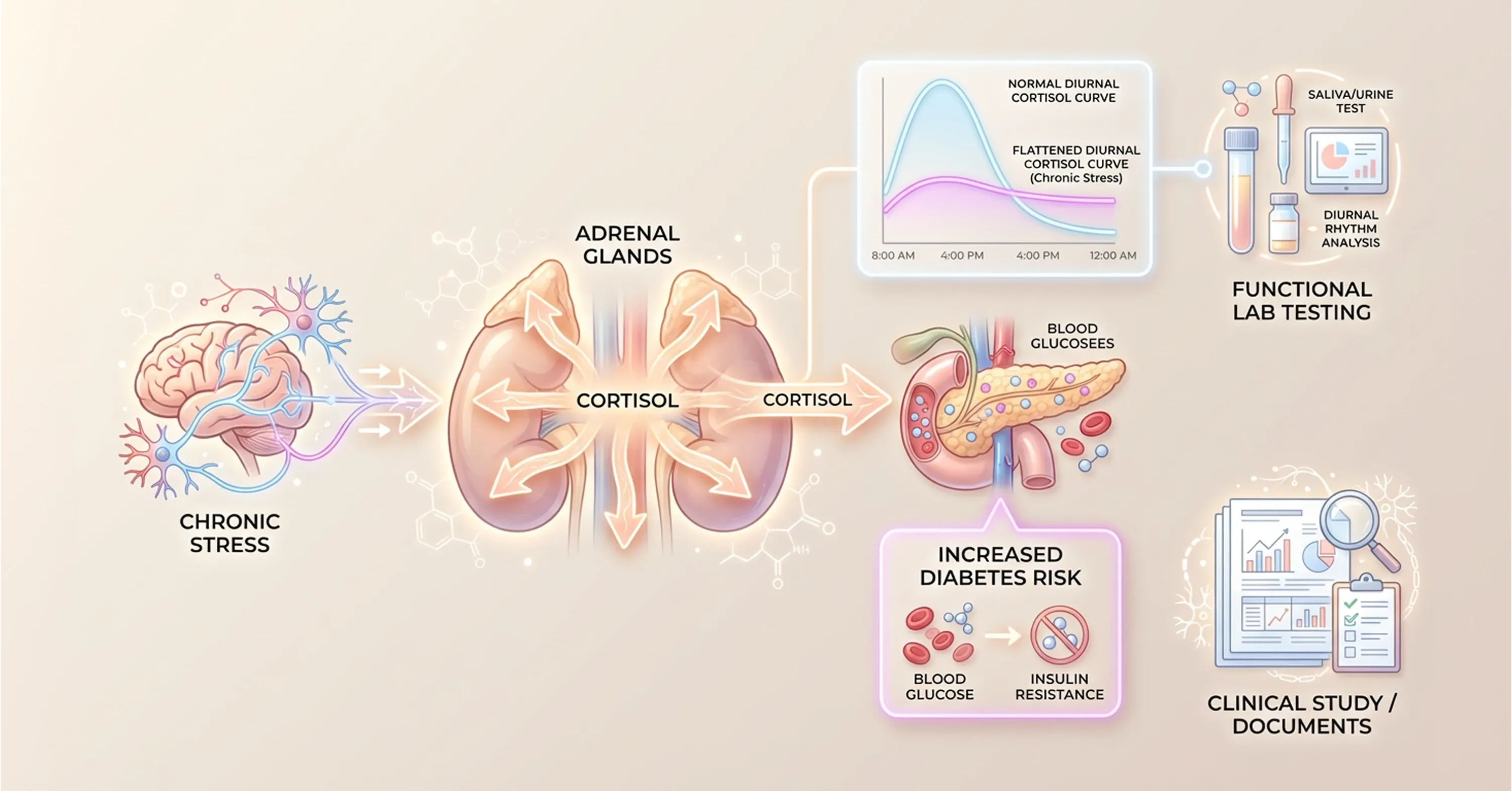
Medical professionals evaluate daily hormone fluctuations to identify the exact hormone support patients need. The Dried Urine Test for Comprehensive Hormones captures daily patterns of cortisol and sex hormones. Standard blood tests only measure circulating hormones at a single moment. The DUTCH test provides comprehensive hormone metabolite analysis over a full twenty-four-hour period. This extended timeframe reveals exactly how the body produces, uses, and breaks down endocrine chemicals.
Patients collect dried urine samples at specific times throughout the day to map their diurnal cortisol curve accurately. This process uncovers hidden adrenal fatigue or estrogen dominance that actively disrupts insulin signaling. Doctors rely on this diagnostic thoroughness to finalize the personalized strategy for metabolic restoration. Practitioners understand the entire metabolite pathway and prescribe the bioidentical hormones that repair cellular function. This comprehensive view ensures the patient's body can finally maintain healthy blood sugar levels.
Conclusion
To summarize, patients maintain healthy blood sugar levels permanently when they look deep beneath the surface and address the complex web of hormones. These individuals frequently experience subtle disruptions in cortisol, estrogen, and thyroid function that standard tests miss, and these disruptions drive systemic metabolic dysfunction. Patients resolve these issues when they stop the endless cycle of diet adjustments and seek proper diagnostic clarity. As preventative functional medicine continues to advance, patients will increasingly access the precise data they need to understand their endocrine profiles. These individuals use thorough diagnostic evaluations to determine if hormone therapy for blood sugar and metabolism fits specific clinical pictures. For the next step, patients consult a qualified practitioner to build a custom treatment protocol that targets the specific physiological drivers of metabolic resistance.