TNT Wellness

Bioidentical Hormone Replacement Therapy: Personalized Care

Content authorBy Paige Schreiber, FNPPublished onReading time9 min read
Close-up profile of a woman’s face with glowing skin and molecular structure overlay, representing collagen production, skin health, and anti-aging skincare science

What if fatigue, brain fog, and low libido weren’t inevitable signs of aging, but signals your body is ready for recalibration? Modern bioidentical hormone therapy combines science and precision to help you feel like yourself again.

Overview

In this article, we explain the scientific mechanisms behind bioidentical hormones and how their molecular structure differs from synthetic alternatives. You will learn how these structural differences influence receptor binding, metabolism, and overall physiological response. We also examine the current research on hormone safety and effectiveness, separating outdated fears from modern clinical evidence.

Beyond the science, we outline a personalized, data-driven treatment framework that begins with comprehensive lab testing and moves into carefully calibrated dosing strategies. Rather than offering a one-size-fits-all solution, the focus is on creating a structured plan that aligns with each individual’s biology and long-term health goals.

Rethinking Hormone Imbalance in Modern Medicine

Hormonal imbalances often cause persistent fatigue, mood instability, and low libido. Patients often seek medical help, but they undergo standard blood tests that return results within "normal" ranges. This gap between physical symptoms and laboratory data causes frustration. However, a statistical average does not always indicate healthy function.

Medical understanding of hormonal health has evolved significantly. Regulatory agencies updated their safety stance based on modern data. For example, the FDA removed black box warnings from hormone therapy, because it acknowledged that previous fears relied on outdated interpretations of the Women's Health Initiative. This shift validates bioidentical hormone replacement therapy as an effective option to manage symptoms. Science now offers solutions that prevent the decline associated with aging.

The Shift in Hormone Therapy Safety

These preventive solutions gained validation after the medical community changed its stance on hormone therapy safety. For decades, the Women's Health Initiative (WHI) study cast a shadow over hormone replacement because it linked therapy to increased health risks. However, modern analysis revealed that those risks primarily applied to synthetic hormones used in older populations rather than bioidentical options.

This clarity led the FDA to approve labeling changes in 2026. Robert F. Kennedy Jr. serves as the Health and Human Services Secretary, and he stated that the agency removed these warnings to ensure women receive accurate information free from exaggeration or fear.

What Modern Research Now Shows

This regulatory update offers validation for patients who seek relief but fear long-term consequences. Data indicates that women who initiate HRT within 10 years of menopause demonstrate a reduction in all-cause mortality and fractures. Properly managed therapy supports cardiovascular health markers rather than threatening them.

Physicians create customized BHRT plans that respect individual biology, and they move away from the fear-based approach that characterized the previous two decades. This focus on individual biology underscores the importance of the hormone's molecular structure.

Bioidentical Hormones Versus Synthetic Alternatives

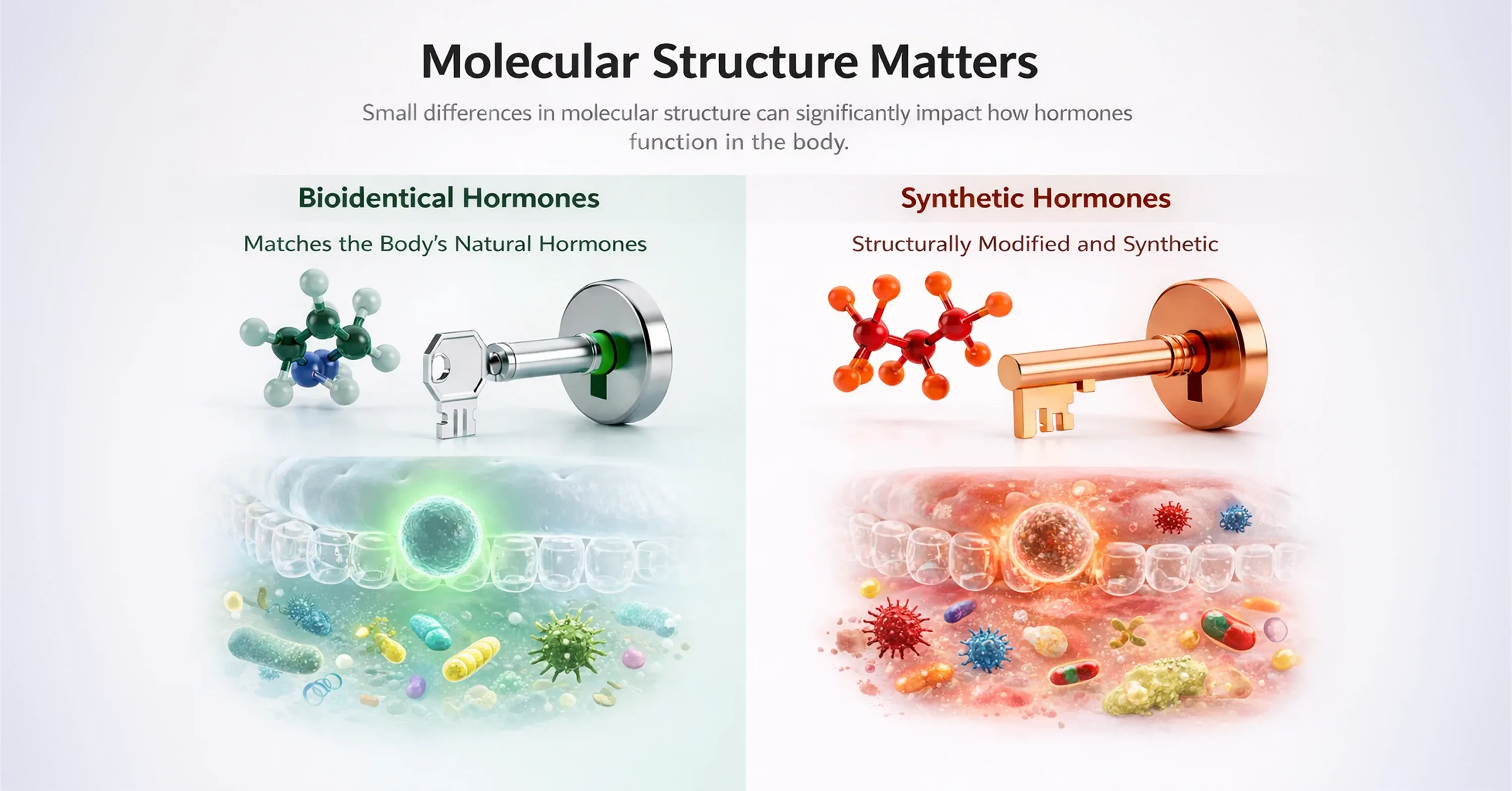
Infographic comparing bioidentical and synthetic hormones, highlighting molecular structure differences and their impact on hormone function in the body

Molecular Structure Matters

The key difference between bioidentical and synthetic hormones lies in their molecular structure. Bioidentical hormones are chemically identical to the hormones the human body produces naturally. Because of this structural precision, they bind to cell receptors in a highly compatible way, much like a key designed specifically for a lock.

This exact match allows the body to metabolize the hormone efficiently. In a survey of women using hormone therapy, 68 % reported improved overall satisfaction when using bioidentical formulations compared to traditional synthetic options.

Ready to transform your health?

Book your health assessment with TNT Wellness personalized nutrition, functional medicine, and science-driven care to address the root causes of your symptoms.

Book Your Assessment →

How Synthetic Hormones Differ

Synthetic hormones, by contrast, are structurally altered. Pharmaceutical modifications allow companies to patent the molecule, but these changes also influence how the hormone interacts with receptors and metabolic pathways.

While a synthetic hormone may activate the receptor, it does not replicate the body’s native signal perfectly. This mismatch can trigger unintended biological responses, which may appear as side effects.

Clinical Implications

Research supports this distinction in compatibility. Studies show higher patient satisfaction with hormone therapies containing progesterone compared to synthetic progestin formulations. When the body perceives a compound as foreign, it creates physiological stress that can influence adrenal function, fatigue, and overall balance.

Bioidentical hormone replacement therapy prioritizes molecular compatibility to reduce disruption and support smoother physiological function. Instead of addressing a single isolated symptom, this approach aims to restore systemic balance.

Biological Triad: Energy, Mood, Libido

Patients rarely experience symptoms in isolation. Fatigue, mood instability, and low libido typically present as an interconnected triad that signals a deeper physiological imbalance. These symptoms serve as warning lights because they indicate that the endocrine system requires support. Addressing one symptom without considering the others often leads to incomplete health restoration.

A comprehensive approach involves hormone optimization therapy that treats the system as a whole. This holistic view ensures that improvements in thyroid health and metabolism support energy levels, and these levels support mood and sexual function.

Energy Restoration Through Hormone Optimization Therapy

Hormones act as the primary chemical messengers that dictate how cells produce energy. Specifically, thyroid hormones and cortisol interact directly with mitochondria because these organelles act as power plants within every cell. When hormone levels decline, mitochondrial efficiency drops, and this causes the cellular engine to sputter. Patients experience this biological slowdown as profound exhaustion that sleep cannot fix.

Hormone optimization therapy targets this cellular deficit. Restoring hormonal balance reignites the metabolic fire and allows cells to generate ATP at youthful rates. This biological shift restores vitality not through stimulants or caffeine, but by repairing the fundamental mechanism of energy production.

Mood Mental Health Stability

Sex hormones influence brain chemistry just as powerfully as they influence reproductive health. Estrogen and testosterone regulate the production and reception of key neurotransmitters, such as serotonin and dopamine. When hormone levels fluctuate or plummet, neurochemistry becomes erratic and leads to anxiety, irritability, and depression. Restoring these levels provides the chemical stability necessary for mental well-being. Clinical data supports this connection. A study found that estradiol improved mood in 68% of perimenopausal women with depressive disorders versus only 20% on placebo. Balancing these hormones treats the root biological cause of mood instability rather than just masking the symptoms.

Libido Sexual Function Revitalization

Low libido often stems from a hormonal deficit rather than a psychological block or a lack of relationship chemistry. While pharmaceutical aids like Viagra address blood flow, they ignore the hormonal drive that initiates desire. Testosterone plays a critical role in sexual appetite and response for both men and women.

Customized BHRT plans address this deficiency to restore genuine desire. Evidence confirms that testosterone therapy improves sexual desire and orgasm in postmenopausal women who experience sexual dysfunction. Addressing the hormonal baseline restores sexual function as a natural biological drive and moves the patient beyond temporary, on-demand fixes. Effective treatment moves beyond generic fixes and addresses biological differences.

Ready to transform your health?

Book your health assessment with TNT Wellness personalized nutrition, functional medicine, and science-driven care to address the root causes of your symptoms.

Book Your Assessment →

Gender-Specific Hormonal Strategies

Men and women require distinct therapeutic approaches because their endocrine systems operate on different biological rhythms and priorities. Hormone optimization therapy for women primarily balances the ratio between estrogen and progesterone. Estrogen dominance or deficiency causes reproductive issues and mood disorders, while progesterone acts as a stabilizing agent. Safety concerns often deter women from seeking treatment, but data distinguishes modern therapies from older risks. The Women's Health Initiative follow-up found that Estrogen-only MHT reduced breast cancer risk by 23% compared to never-users when managed correctly. This protection extends beyond reproductive health and includes neuroprotection and bone density preservation.

Men face a different set of challenges regarding testosterone decline and cardiovascular health. A common misconception suggests that testosterone therapy endangers the heart, but recent clinical findings contradict this outdated view. A landmark 2023 study confirmed that testosterone replacement therapy did not increase risk of heart attack or stroke in men with hypogonadism. Instead, optimal testosterone levels support metabolic function and muscle maintenance. Effective treatment for men also requires managing aromatization because testosterone converts to estrogen during this process.

Precise dosing and nutritional support mitigate this conversion. Precise mitigation requires a clinical framework that validates treatment decisions with data.

TNT Wellness Protocol For Hormone Optimization

Sustainable health requires a systematic approach that moves beyond guesswork and standardized prescriptions. The TNT Wellness protocol treats the patient as a unique biological entity rather than a statistic. This process relies on data to create a comprehensive blueprint for restoration. Practitioners follow a structured path to identify the root causes of fatigue and imbalance.

The protocol consists of three essential steps:

  1. Comprehensive Diagnostic Testing: Standard blood panels often fail to reveal the full picture of hormonal health. The process begins with advanced diagnostics like the DUTCH test to establish an accurate baseline. These tests measure hormone levels and how the body metabolizes them.

  2. Precise Bioidentical Dosing: The practitioner designs customized BHRT plans after analyzing the data. Bioidentical hormone replacement therapy allows women to customize doses based on individual symptoms. This ensures that the treatment fits the patient’s specific needs rather than the general population's average.

  3. Lifestyle Integration: Hormones function best within a healthy environment. The final step integrates the medical protocol with lifestyle changes such as stress management, sleep hygiene, and targeted nutrition. This synergy helps the body remain receptive to the therapy. Physiological repair follows a specific schedule even when the body accepts the therapy.

Realistic Timelines For Symptom Relief

Patients often expect immediate results, but hormonal restoration involves a biological progression that requires time. The endocrine system needs to adjust to new chemical signals because cellular repair does not happen overnight. Realistic expectations help patients maintain patience and consistency with their customized BHRT plans.

The timeline for relief typically follows this pattern:

  • Initial Response (Weeks 2-4): Most patients notice subtle improvements within 2-4 weeks. These early signs include better sleep quality, reduced hot flashes, and a slight lift in energy levels.

  • Stabilization and Optimization (Weeks 8-12): The full benefits of hormone optimization therapy typically emerge between 8-12 weeks as hormone levels stabilize. Patients report significant improvements in mood stability, cognitive function, and libido during this phase.

  • Long-Term Maintenance (Month 6 and beyond): The body usually adapts fully to the protocol by the six-month mark. Physical changes like improved muscle tone and skin elasticity become more apparent as the metabolic benefits compound over time. This compounding effect confirms that hormonal balance requires long-term commitment.

Conclusion

Bioidentical hormone replacement therapy serves as a foundational tool for health rather than a magic pill. Precise dosing restores physiological balance, but the therapy works most effectively with lifestyle changes such as nutrition, stress management, and sleep hygiene. Patients do not have to accept fatigue or low mood as a natural part of aging. Instead, they can pursue a strategy that respects their unique biology.

Patients can book a consultation at TNT Wellness to move beyond standardized test results and address the root cause of their symptoms.

Ready to transform your health?

Book your health assessment with TNT Wellness personalized nutrition, functional medicine, and science-driven care to address the root causes of your symptoms.

Book Your Assessment →

You can transition from synthetic options to bioidentical forms under medical supervision. Your provider will create a schedule that tapers the synthetic medication while introducing the bioidentical version. This gradual shift prevents withdrawal symptoms and helps your receptors adapt to the natural molecular structure without stress.

TNT Wellness uses advanced diagnostics like the DUTCH test to analyze your hormone metabolites. This detailed assessment looks beyond standard blood levels to reveal how your body processes hormones. Practitioners combine this data with your health history to design a protocol that targets your specific imbalances.

Your dietary choices directly influence how well your body responds to treatment. High sugar intake and alcohol consumption increase inflammation and disrupt the endocrine system's ability to absorb hormones. You should eat healthy fats and whole foods because they provide the fuel your body needs to accept the therapy.

Adults who experience persistent fatigue, brain fog, or low libido often benefit most from this treatment. These individuals usually feel unwell despite having standard blood test results that appear normal. A qualified provider will review your symptoms to confirm if bioidentical hormone replacement therapy fits your health goals.

Patients sometimes experience mild fluid retention, acne, or breast tenderness during the first few weeks. These temporary physical changes happen because your receptors are waking up to new hormone levels. Your provider can adjust your dosage easily if these symptoms persist past the initial adjustment period.

Schedule a Meeting

Book a time that works best for you

You Might Also Like

Discover more insights and articles

Minimalist skincare and cosmetic products arranged on a bright modern countertop with soft natural sunlight and indoor plants

Boosting Mood, Energy, and Libido for Women Over 40

In this article, we explain the underlying hormonal mechanisms of midlife transitions and show how targeted lifestyle strategies restore vitality. We also explore functional testing, metabolic nutrition, and circadian-aligned exercise.

A female doctor in a bright, modern office uses a tablet to review patient information, focused on her task in a professional setting.

Digestive Health Assessment: Symptoms, History, Tests, and Next Steps

This article explains how a structured review of your symptoms and history turns vague gut complaints into decisions you can act on. It covers what a practitioner asks about and which warning signs need medical attention first, so you can walk into an appointment with the information that actually changes the outcome.

A female nutritionist in a bright, minimalist office discusses treatment plans with a patient, using a tablet displaying healthcare data.

Functional Medicine Consultation: How to Prepare and What Happens Next

This article covers what to bring to a first functional medicine consultation and what actually happens during and after the visit. It also explains why testing sometimes comes later than people expect, and what a realistic plan looks like when you walk out.

A woman doctor consults with a patient, shown from behind, in a warm, upscale medical office with natural lighting and soft colors.

How to Choose a Gut Health Specialist for Persistent Digestive Symptoms

This article explains how to pick the right provider when bloating or unpredictable bowel habits have stopped being occasional. It walks through the warning signs that need medical attention now and what each type of provider is actually trained to do.